A Picture of Shalom – Hebrews 13:1-8, 15-16
The first time I read through Hebrews 13 a few weeks ago, I was struck with this thought: “This is a picture of Shalom.” Imagine it with me. Imagine a world in which love for one another is a way of life, a world in which strangers are given profound and sacrificial hospitality, as though they were angels in disguise being embraced by people who love the Lord. Imagine a world where the suffering of one person feels like the suffering of all of us, a world in which isolation, heartbreak, and pain hurt all of our hearts. Imagine a world in which relationships are treated with honor, and commitments are valued and kept as sacred promises, a world in which self-centeredness no longer exists and treating others the way we want to be treated is the norm. In the world we are imagining, no one pursues money as though it is the only and most important thing because each of us already has what we need. In this world, we take time to remember those who taught us well, and we feel grateful that they showed us the way to Jesus – the One who never changes no matter how much the world around us does.
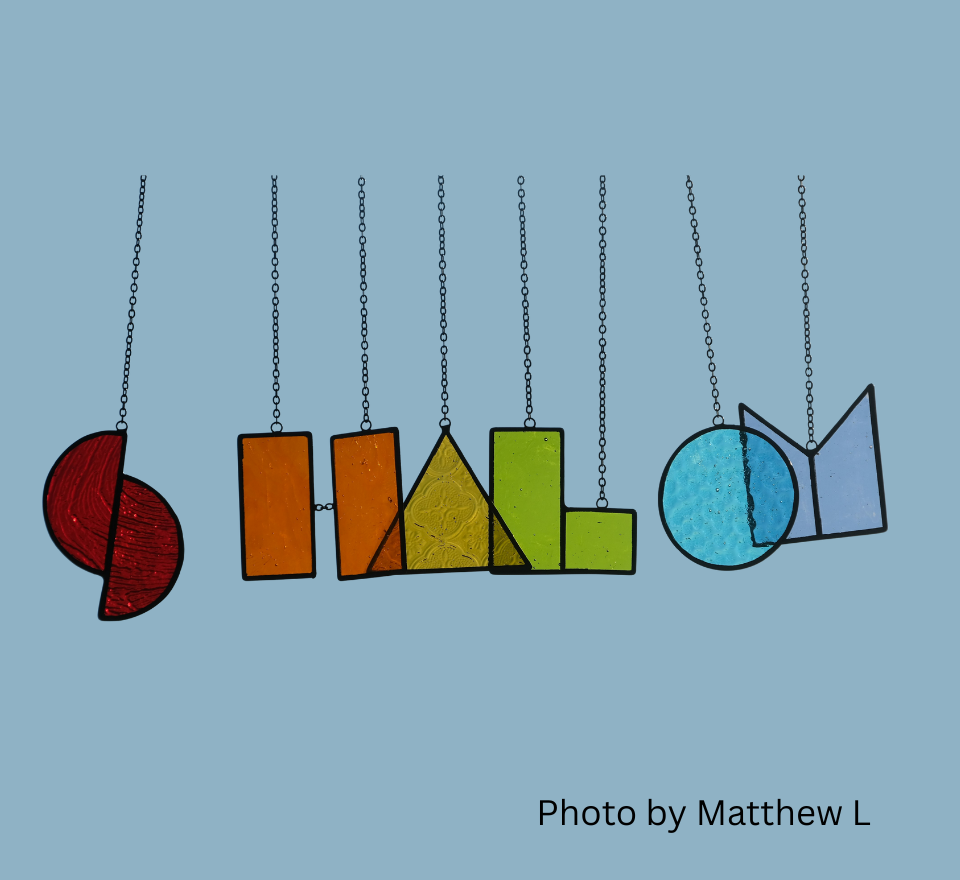
As I allowed myself to imagine such a world, the only word I could think of besides “wow” was “Shalom.” Shalom is often translated “peace,” but the word means so much more than this. Shalom is wholeness and well-being. Shalom is how things are supposed to be. Shalom is how God’s created world was before sin entered, and Shalom is what we will eventually return to when God makes all things new.
I sat down and wrote “A Picture of Shalom” at the top of my page as I began sermon planning. I read and re-read the two Scriptures for today, and I prayed that God would show me how to speak about the beautiful promises and encouragements in Hebrews 13. And then, as I often do, I left the document blank for a few days as I studied, reflected, prayed, and allowed my heart to wonder what the needed word for this week might be.
On Wednesday morning, I re-opened my sermon document, and I looked at the title at the top of the blank page: “A Picture of Shalom.” Just moments later, I learned the unspeakable news of a deranged killer attacking children who were praying at their Catholic school. How could I dare speak about Shalom in a world as broken as ours? What should I say about a beautiful passage of Scripture that calls us to build a world in which no one suffers? How can I stand up on a Sunday morning and speak words of hope and wholeness at a moment that feels so raw and hopeless?
As I wondered these questions to myself, I heard birds chirping through an open window. I felt a breeze tickle my arms, much like the whispers of wind we are experiencing out here on the lawn. I saw the shadow of a branch swaying across a patio as the light played a game of tag with the moving leaves. The first thing I want to say about working toward Shalom in a broken world is that we have to notice and soak up the moments of Shalom and beauty we are given each and every day. These moments do not erase the heartache, but they remind us that Shalom is possible. They remind us not to give up. They remind us that God is always near and is always taking care of us. They remind us that God is not finished with this world and that the day will come when all things are made new, when all tears are dried, when suffering is no more. For a moment, let’s breathe and take in the gift of Shalom this morning.
How do you feel as you breathe in peace and wholeness? Do you feel any different in your body? Maybe your shoulders relaxed a little bit, or you felt your jaw unclench. Maybe your breathing slowed down or deepened. For me, I have the sensation of God holding my heart close, like God is drawing near and reminding me that we do not walk through anything alone.
In moments when the brokenness of the world hits us like it did this week, it is critical that we pause and take in the moments of Shalom we are given. We don’t do this as a way of ignoring what is going on around us, but because we need to be reminded that change is possible. We must breathe in these moments of peace and wholeness because we need to be strengthened in our resolve to be people who are working to bring that same peace and wholeness everywhere we go.
Once we have paused to reconnect to God’s perfect peace, we need to move forward as bringers of God’s perfect peace. In moments of suffering and struggle, we may not remember how to do that, but our passage from Hebrews 13 serves as a roadmap for us so that we do not lose the way. Verse 1 gives us the thesis statement, the mission statement of God’s wholeness and peace so that we can measure everything we do by it. In the NRSV, this verse says, “Let mutual love continue.” In the Greek, the sentence more literally says, “Let brotherly love abide or remain.” In other words, let our close bonds of love, our kindness and care for each other as though we were family, continue and underscore everything that we do. This is the overarching commandment, the umbrella statement, that must guide everything we do. This is the color palette we can use to paint a picture of Shalom.
Let mutual love continue. On this color palette of love, we find the call to show hospitality to strangers. The writer of Hebrews says by doing this we may even be entertaining angels without knowing it. Back in the Gospel of Matthew, Jesus told the crowd what the coming of the Son of Man would be like. When he returns, he will say, “I was hungry and you gave me food, I was thirsty and you gave me something to drink, I was a stranger and you welcomed me, I was naked and you gave me clothing, I was sick and you took care of me, I was in prison and you visited me.’” The people were surprised and asked, “Lord, when did we do these things?” Jesus said, “Truly I tell you, just as you did it to one of the least of these brothers and sisters of mine, you did it to me.” The followers of Jesus fed people who were hungry, offered cold water to those who were thirsty, shared clothing and compassion with the naked and the imprisoned. They did not know that each time they did this, they were welcoming Jesus himself. Likewise, as we show hospitality to the stranger, we are welcoming our Lord. Who is the stranger in your midst? What is Jesus calling you to do for them?
Next on the color palette of love is the call to treasure our commitments and promises. The author of Hebrews writes: “Let marriage be held in honor by all, and let the marriage bed be kept undefiled; for God will judge fornicators and adulterers.” The word translated as “honor” here means “precious” or “worthy.” Treat the marriage relationship as precious. Within the context of the letter to the Hebrews, I believe we can extend this to our other close relationships too. We are to treat our relationships, our commitments, as precious–to hold them close and keep them safe from outside influences that might cause harm. How might we treasure our relationships, our commitments and promises today?
Third on the color palette of love is contentment. The Scripture continues: “Keep your lives free from the love of money, and be content with what you have; for he has said, ‘I will never leave you or forsake you.’” Scripture tells us not that money is the root of all evil, but that the love of money is the problem. When we love something, we make it our priority. We strive for it. We put it before other things. As people created in the image of God, our priority is to be love: love of God and love of neighbor. In this world where we may be often tempted to love our money or our possessions, the book of Hebrews calls us to something radically different: contentment. What would it look like to be content today? How might you express that contentment in your life?
The color palette of love that helps us paint a picture of Shalom begins with mutual love, and includes hospitality to strangers, treasuring of our commitments and relationships, and contentment. Finally, on our color palette we find a call to gratitude for the example and faithfulness of others. Hebrews 13 continues: “Remember your leaders, those who spoke the word of God to you; consider the outcome of their way of life, and imitate their faith.” Who first spoke the word of God to you? Whose example has encouraged you throughout your life? Take a moment to remember this person or these people, and give thanks to God for their example in your life.
Have you ever tried to paint a picture of something beautiful you saw? How did it turn out? I imagine there are a few of you here who could paint that picture and have it turn out remarkably well. But for many of the rest of us–or at least for myself–the picture we painted may not have looked a thing like what we were painting. Or, even if it had some resemblance to what we were painting, it was probably still a ways off. Our attempts at painting a picture of Shalom–of peace and wholeness–will likely yield similar results, at least at first. But, if we keep working, we will find a little more Shalom each day than we could see the day before. Together, we can create canvases of Shalom, portrait galleries of Shalom, snapshots of Shalom, until the day when Jesus returns and all suffering is wiped away.
Will you paint a picture of Shalom with me? Let us reconnect to the moments of Shalom in our lives so that we might remember that good things are possible. May we continue in mutual love, share hospitality with strangers, treasure our commitments and relationships, embrace contentment, and overflow with gratitude for the beautiful examples of faith we’ve had in our lives. As we do this, I believe we will begin to see more of the kingdom of God each and every day. Amen.